


.png?v=20260928 "Logo of Hanle Packing")
.jpg)
Coffee Bag One Way Valve vs No Valve: What Buyers Should Know
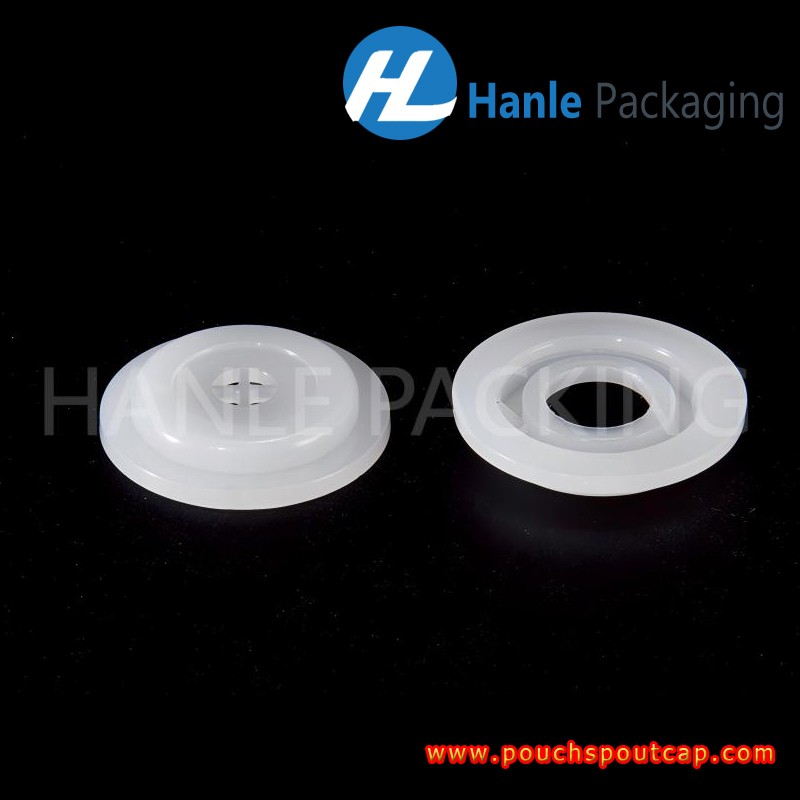
A coffee bag one way valve is a small packaging component that helps roasted coffee release gas after filling while limiting outside air from entering the pouch. For coffee roasters, private label brands, and packaging buyers, this detail affects freshness, bag appearance, and shelf handling more than many first-time buyers expect.
When coffee is packed too soon after roasting, gas continues to build inside the bag. Without a proper degassing structure, the pouch may swell, lose shape, or create storage problems during transport and retail display. That is why valve design is often a practical purchasing issue, not just a packaging accessory.
Why roasted coffee needs a one way valve
Freshly roasted coffee releases carbon dioxide for a period of time after roasting. If that gas stays trapped inside a sealed pouch, internal pressure rises and the bag may deform. A coffee bag one way valve gives the gas an exit path while keeping the pouch structure more stable.
- It helps release CO2 generated after roasting.
- It reduces the risk of pouch swelling during storage.
- It supports better shelf presentation for retail coffee bags.
- It helps maintain a cleaner packaging appearance during transport.
With valve vs without valve
| Aspect | With One Way Valve | Without Valve |
|---|---|---|
| Gas management | Controlled CO2 release | Gas accumulates, bag may swell |
| Oxygen ingress | Limited by one-way design | Risk increases if seal deforms |
| Bag appearance | Flat and stable during transport | May balloon or deform |
| Shelf life perception | Better aroma and freshness retention | Faster staling risk |
How the valve structure affects performance
Not all degassing valves are built the same way. Buyers often compare filter and without-filter designs, because the internal structure can affect gas release behavior, dust resistance, and how easily the valve integrates into a specific pouch format.
A without-filter valve is usually simpler and can be suitable for high-volume production where the packaging structure is already well controlled. A filtered version may be preferred in some applications where the buyer wants an added internal barrier. The right choice depends on the bag material, filling process, roast profile, and the target product shelf life.
- Check whether the valve is designed for your pouch structure.
- Confirm whether the model is filtered or without filter.
- Review the sealing method used on the bag.
- Match the valve layout with your filling speed and roasting cycle.
What buyers should check before ordering
For procurement teams, the most useful questions are not only about function but also about compatibility. A coffee bag one way valve should fit the bag structure, support stable sealing, and be suitable for the target production line.
- Inner diameter and installation size.
- Material type and food-contact suitability.
- Filter or without-filter structure.
- MOQ and bulk packing method.
- Whether sample testing is available before mass production.
Typical application scenarios
Although this component is most closely associated with roasted coffee beans, similar valve structures are also used in packaging that releases gas after packing. That makes the topic useful for buyers in specialty coffee, private label retail, and some food packaging categories.
- Whole roasted coffee beans.
- Ground coffee.
- Specialty coffee pouches.
- Private label coffee packaging.
- Other gas-releasing pouch applications.
Case Study
Buyer Requirement:
A mid-size coffee roaster wanted to reduce pouch swelling in retail shipments while keeping the packaging suitable for branded supermarket displays.
Challenge:
The roaster had been filling bags soon after roasting, and standard pouches without a degassing structure were showing inconsistent shape during transport. The team also needed a valve type that would work with existing laminated coffee bags.
Solution:
The packaging spec was updated to use a coffee bag one way valve matched to the existing pouch structure. The buyer tested bag stability, sealing compatibility, and appearance before moving into bulk supply.
Result:
The packaging line gained a more stable pouch profile, and the bags were easier to present on shelf. The buyer also had a clearer standard for future orders because the valve specification was defined before mass production.
Client Testimonial
“Once we defined the valve structure and pouch compatibility first, our packaging decisions became much easier. The bag shape was more stable, and the team could compare new orders against the same standard.”
FAQs
Does a coffee bag one way valve help keep coffee fresh?
Yes. It helps roasted coffee release gas after filling while limiting outside air entry, which supports more stable packaging conditions.
Is a without-filter valve better than a filtered valve?
Not always. The better option depends on the bag structure, the filling process, and the buyer’s packaging requirements.
When should a coffee bag one way valve be added?
It is most useful when coffee is packed soon after roasting and gas release needs to be managed inside a sealed pouch.
What should I confirm before bulk ordering?
Buyers should confirm the valve size, material, filter structure, pouch compatibility, MOQ, and sample testing requirements.
Why Hanle Packing for coffee bag one way valve projects
Hanle Packing is a manufacturer of flexible packaging components, including coffee bag one way valves and other pouch fitments for export markets. The company supports OEM and ODM production with ISO9001 and SGS certifications, helping buyers match valve specifications, pouch materials, and order quantities for coffee packaging projects.
Recommended Coffee Bag One Way Valve for Roasted Beans
For roasted coffee beans and other granulated products packed in laminated flexible pouches, Hanle Packing offers the HL-TB coffee bag one way valve. This filter-free PE model is designed for stand-up pouches and eight-side sealed bags, with a 21.7mm inner diameter and a recommended package range from 5g to 5kg.
- Model: HL-TB
- Inner Diameter: 21.7mm
- Height: 3.8mm
- Structure: Filter-free PE one-way valve
- Recommended Use: Roasted coffee beans and granulated products
- MOQ: 200,000 sets
For full specifications, packaging compatibility, OEM and ODM options, and quotation requirements, review the HL-TB coffee bag one way valve.