


.png?v=20260923 "Logo of Hanle Packing")
.jpg)
How to Choose a Coffee Valve for Stand-Up and Gusset Pouches
A coffee valve is not selected by diameter alone. For roasted coffee packaging, the pouch format, filling weight, zipper position, available panel area, and product type all affect whether a one-way valve can be installed and used effectively. A coffee valve for a stand-up pouch may require a different placement review from a valve used on a bottom gusset or flat-bottom coffee bag.
This guide explains how coffee packaging buyers, pouch converters, and coffee brands can assess valve compatibility before finalizing a bag design. It focuses on stand-up pouches, zipper pouches, bottom gusset bags, and flat-bottom coffee bags used for roasted coffee beans and selected granulated products.
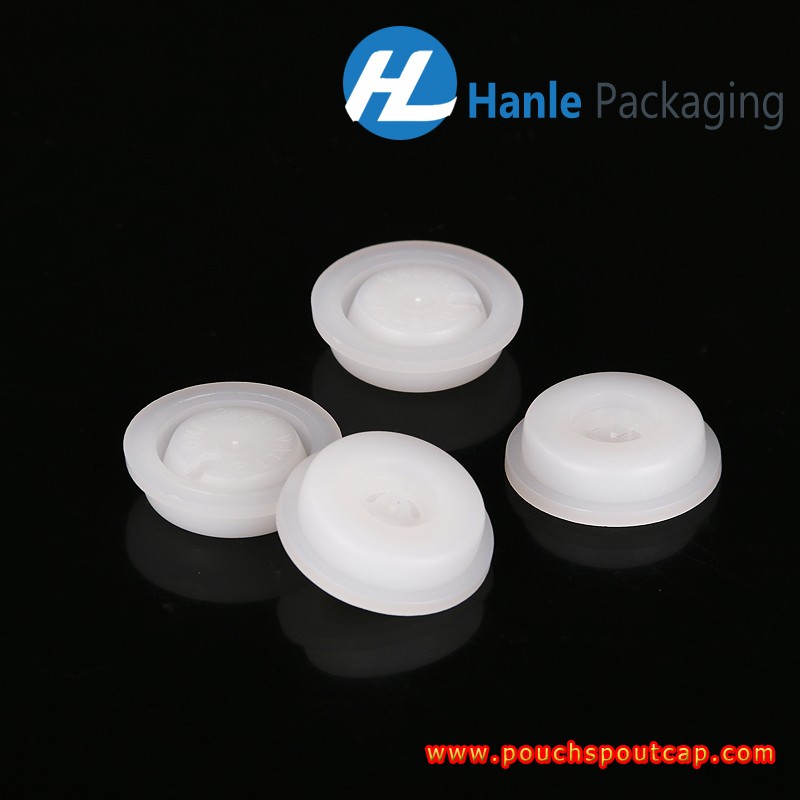
Why Pouch Format Affects Coffee Valve Selection
A one-way coffee valve releases gas generated after coffee roasting while helping limit reverse airflow into a sealed pouch. However, the valve is only one part of the finished packaging system. The bag structure, sealing area, pouch headspace, filling process, and valve placement all influence the final packaging result.
A valve that fits well on one pouch format may not be suitable for another. For example, a pouch with a zipper closure may have less available space near the upper seal, while a bottom gusset bag may require a different valve position to avoid folds, gussets, or printed design areas.
- Pouch Geometry: The shape of the bag affects the usable valve-placement area.
- Fill Weight: Larger coffee bags may require more careful review of bag size, headspace, and gas-release conditions.
- Filling Material: Whole coffee beans and ground coffee may require different valve configurations.
- Closure Design: Zippers, tear notches, heat seals, and handles can limit where a coffee valve can be positioned.
- Packaging Process: The selected valve must be compatible with the pouch material and valve installation method.
Coffee Valve Requirements for Stand-Up Pouches
Stand-up pouches are widely used for roasted coffee because they provide a stable shelf presentation and flexible branding space. When selecting a coffee valve for a stand-up pouch, buyers should check the upper pouch area, available headspace, zipper location, and front or back panel layout before confirming a valve format.
Available Front and Back Panel Space
The upper front or back panel is often considered for valve placement because it can provide a relatively flat area above the packed product. The final location should leave enough distance from the pouch edge, heat-sealed area, zipper, and printed design elements.
A coffee valve should not be positioned where folds, wrinkles, gusset transitions, or uneven film surfaces may affect installation. The packaging converter should review the finished pouch layout rather than selecting the valve only from a generic bag drawing.
Zipper Position and Valve Placement Area
For a zipper coffee pouch, the valve should be positioned with adequate clearance from the zipper and top seal. If the valve is installed too close to the zipper area, the available flat panel may be reduced and pouch handling can become more difficult during filling or sealing.
- Confirm the distance between the valve location and zipper closure.
- Confirm the available flat film area above the filling level.
- Avoid placing the valve across folds or seal transitions.
- Review whether the valve position affects the intended printed artwork.
- Confirm the selected placement with a pouch sample before bulk production.
Stand-Up Pouch Selection Checklist
Before selecting a coffee valve for a stand-up pouch, provide the pouch width, pouch height, gusset depth, fill weight, zipper position, pouch material structure, and intended valve location. These details help packaging suppliers evaluate whether the valve format is appropriate for the available panel area.
Coffee Valve Requirements for Bottom Gusset Bags
Bottom gusset coffee bags are often used when buyers need a pouch with stronger shelf stability and a larger visual presence. The gusset structure changes the shape of the bag after filling, so valve placement should be assessed using the finished bag configuration rather than a flat, unfilled pouch.
How Bottom Gussets Affect Valve Placement
A bottom gusset adds structure to the pouch, but it can also influence how the pouch expands when filled. The coffee valve should be positioned in a stable upper panel area that remains relatively flat after filling and does not interfere with the gusset fold or bag opening.
For coffee buyers using bottom gusset bags, it is important to confirm whether the front panel, back panel, or upper side panel provides the most suitable valve-placement position. The answer depends on the exact bag structure, artwork layout, fill level, and valve diameter.
Matching Valve Format to Bottom Gusset Coffee Bags
A coffee valve for a bottom gusset bag should be selected according to the pouch dimensions and the usable panel area above the filled product. Buyers should avoid selecting a valve based only on bag capacity because two bags with the same fill weight may have very different panel layouts.
- Review the filled bag dimensions rather than only the unfilled pouch dimensions.
- Confirm that the valve area remains flat after the gusset opens.
- Check that the valve position does not interfere with the coffee bag opening process.
- Confirm enough clearance from upper seals, side seals, and printed design zones.
- Evaluate the valve placement using a physical pouch sample where possible.
Coffee Valve Requirements for Flat-Bottom Coffee Bags
Flat-bottom coffee bags are commonly used for premium retail coffee, wholesale coffee, and larger bag formats. Because these bags often hold more product than smaller stand-up pouches, packaging buyers should review the relationship between fill weight, pouch-panel space, and valve format carefully.
For medium-to-large coffee bags, the valve should be evaluated together with the final bag capacity and the expected gas-release condition of the roasted coffee beans. Larger bags may require more careful review of the panel area available for the valve and the position of the valve relative to the top seal and product headspace.
Fill Weight and Valve Placement Review
A larger fill weight does not automatically mean that one valve design is suitable for every coffee bag. The bag structure, coffee roast condition, amount of headspace, and location of the valve all affect the packaging setup. For 500g to 2kg coffee bags, a larger valve format may be considered after the actual pouch design has been reviewed.
For projects involving 500g, 1kg, or 2kg coffee bags, buyers can review a 22.4mm coffee degassing valve for 500g–2kg bags as part of the packaging evaluation process.
Stand-Up Pouch vs Bottom Gusset Bag vs Flat-Bottom Bag
The table below summarizes the different factors buyers should review when selecting a coffee valve for common flexible coffee packaging formats. It is not a final technical specification; actual valve selection should be confirmed against the real pouch design and filling application.
| Bag Type | Typical Valve Area | Key Selection Concern | Common Packaging Use | What to Confirm |
|---|---|---|---|---|
| Stand-up pouch | Upper front or back panel | Zipper clearance and available headspace | Retail roasted coffee beans | Pouch width, zipper position, and panel area |
| Stand-up zipper pouch | Upper pouch panel above the zipper area | Valve distance from zipper and upper seal | Resealable coffee bean packaging | Top seal, zipper location, and filling level |
| Bottom gusset bag | Upper front or back panel | Bag expansion and gusset geometry | Retail and private-label coffee bags | Filled pouch shape and stable valve area |
| Flat-bottom coffee bag | Upper front, side, or back panel | Fill weight, bag size, and available panel space | 500g to 2kg coffee bean bags | Bag capacity, valve format, and headspace |
How to Select a Coffee Valve by Product Type
The product inside the pouch is as important as the bag structure. Whole roasted coffee beans, ground coffee, and powder-containing products can create different valve-selection requirements.
Whole Roasted Coffee Beans
Filter-free valve designs are commonly evaluated for whole roasted coffee beans because the filling material is granular rather than fine powder. Buyers should still confirm that the pouch structure, valve placement area, roast condition, and packaging process are suitable for the selected valve design.
Ground Coffee and Powder-Containing Products
Ground coffee and other powder-containing products may require a filtered valve configuration. The filter layer can help reduce the chance of fine particles reaching the valve path. Buyers should review the powder characteristics, filling conditions, and pouch structure before choosing a filter-free or filtered option.
Flexible Coffee Pouches from 5g to 5kg
For stand-up zipper pouches and bottom gusset coffee bags, a 19.8mm filter-free valve format may be considered where the product is roasted coffee beans or another suitable granulated material. The 19.8mm coffee valve for flexible pouches can be reviewed for projects involving stand-up bags, zipper pouches, and bottom gusset packaging formats.
Coffee Valve Placement Checklist
Before finalizing a coffee pouch design, packaging buyers can use the following process to organize the initial valve review.
| Step | What to Check | Why It Matters |
|---|---|---|
| Confirm the filling material | Whole beans, ground coffee, powder, or another granulated product | Helps determine whether a filtered or filter-free valve should be reviewed |
| Confirm the pouch format | Stand-up pouch, zipper pouch, bottom gusset bag, or flat-bottom bag | Determines the available valve-placement area |
| Confirm the package capacity | Fill weight, bag dimensions, and expected headspace | Helps evaluate valve format and bag layout |
| Confirm the valve location | Distance from zipper, heat seal, gusset fold, and printed areas | Helps support stable valve installation and pouch appearance |
| Confirm the packaging process | Pouch material, installation method, filling process, and sample plan | Helps evaluate compatibility before volume production |
Coffee Valve Selection Flow
The following flow can be used as an initial purchasing and packaging review process.
Coffee Product and Packaging Requirement
                ↓
Confirm Whole Beans, Ground Coffee, or Powder Product
                ↓
Confirm Stand-Up, Zipper, Bottom Gusset, or Flat-Bottom Pouch
                ↓
Confirm Fill Weight and Available Valve Placement Area
                ↓
Review Filtered or Filter-Free Valve Requirement
                ↓
Confirm Valve Size, Pouch Material, and Installation Method
                ↓
Evaluate Sample Compatibility Before Bulk Production
Typical Packaging Review Scenario
A coffee packaging converter is preparing stand-up zipper pouches and bottom gusset bags for several private-label roasted coffee brands. The project includes different pouch sizes and filling weights, but the buyer wants to maintain a consistent packaging appearance across the product range.
Packaging Requirement: The converter needs to identify whether one valve format can be used across different pouch structures and whether the valve placement will interfere with zippers, seals, printed artwork, or the filled pouch shape.
Review Focus: The packaging team compares the pouch panel area, fill weight, zipper location, headspace, coffee bean application, and expected valve-placement position before confirming a standard valve format.
Result: The buyer obtains a clearer packaging review process and can use pouch drawings and samples to confirm valve compatibility before committing to volume production.
Frequently Asked Questions
Can the same coffee valve be used for stand-up and bottom gusset bags?
In some projects, one valve format may be suitable for more than one pouch type. However, this should be confirmed using the actual pouch dimensions, available panel area, filling material, and valve placement position rather than assumed from bag capacity alone.
Where should a coffee valve be placed on a zipper pouch?
The valve is commonly reviewed for an upper front or back panel area with sufficient distance from the zipper, top seal, pouch edge, and printed design zones. The final position should be confirmed against the finished pouch layout.
Does a bottom gusset bag require a different coffee valve?
Not necessarily. The bag geometry may change the available placement area, so the valve format and position should be evaluated according to the filled bag shape and pouch structure.
Should ground coffee use the same valve as whole coffee beans?
Not always. Ground coffee and powder-containing products may require a filtered valve configuration, while whole roasted beans are commonly reviewed with filter-free valve options. The final decision should consider powder characteristics, pouch material, and filling conditions.
What details should be provided for a coffee valve review?
Provide the filling material, pouch type, bag dimensions, target fill weight, pouch material structure, zipper or gusset design, available valve-placement area, expected order quantity, and any filter or packing requirements.
Key Takeaway for Coffee Pouch Buyers
A coffee valve should be selected as part of the complete pouch design, not as an isolated accessory. Stand-up pouches, zipper bags, bottom gusset bags, and flat-bottom coffee bags each provide different valve-placement conditions. By confirming the pouch structure, filling material, package capacity, and usable panel area early in the project, buyers can make valve selection more systematic and reduce packaging changes later in the process.